What does the FIFA World Cup trophy symbolise?
.png)
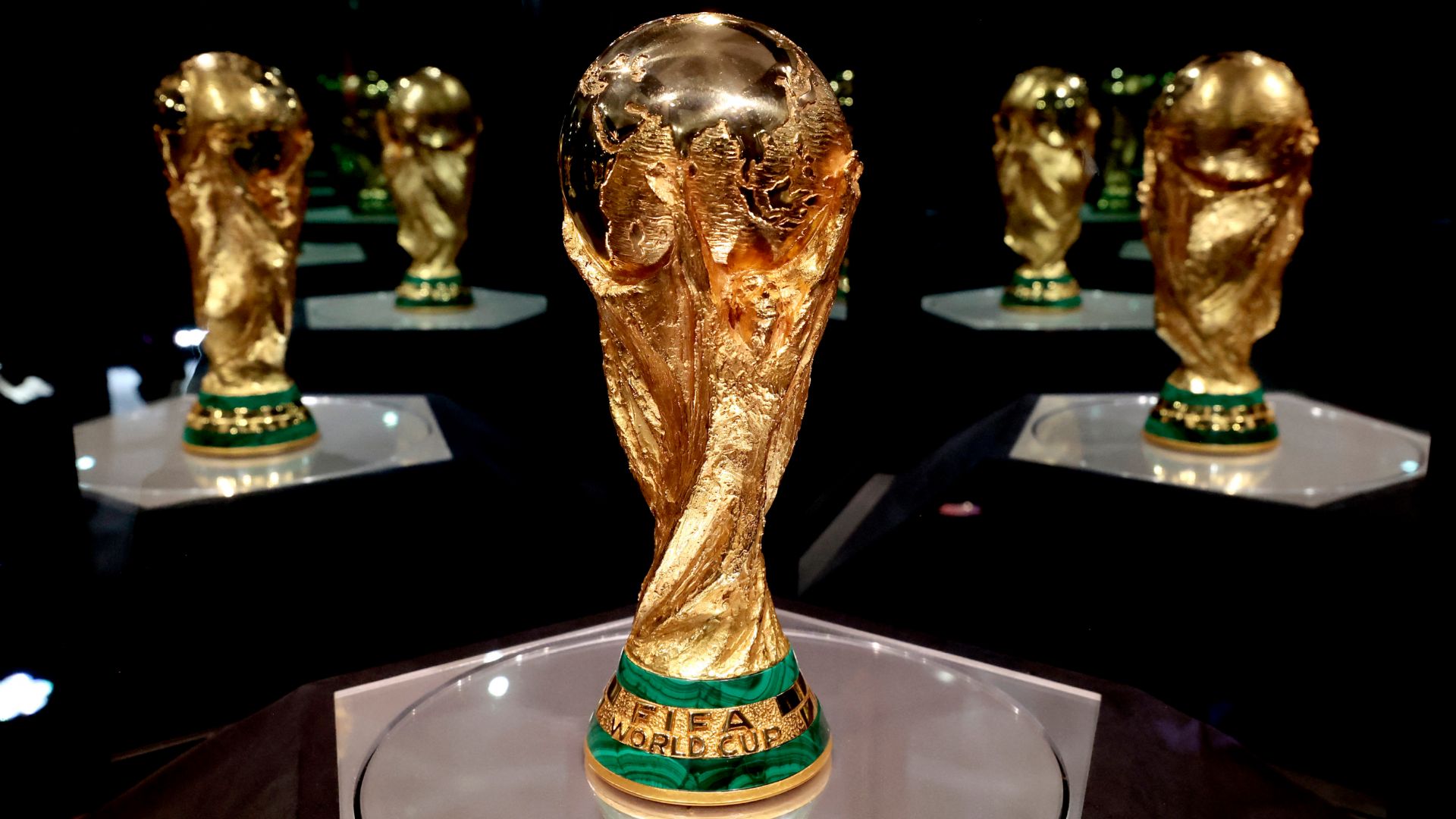
The 23rd edition of the FIFA World Cup is on the horizon and, for the first time, 48 teams will compete for the iconic gold trophy that just eight different nations have so far lifted. It is viewed as the biggest prize a soccer player can win in their career, greater than the Champions League or any domestic title. Cristiano Ronaldo, one of the greatest of all time, has claimed several times that he would like to retire as a World Cup winner.Lionel Messi, Ronaldo's long-time rival and one of the most decorated players in history, was overcome with emotion when he finally lifted the trophy in Qatar in 2022.It is an achievement that so few have the privilege of claiming in their time on the pitch, but what does winning the World Cup actually symbolise? What is the story behind the current trophy, as well as the old Jules Rimet design lifted by the famous England team of 1966? Ahead of the upcoming tournament in the USA, Canada and Mexico, GOAL breaks down nearly 100 years of history.World Cup trophy symbolism explainedGetty ImagesThe World Cup trophy is one of the most recognisable and iconic awards in sport. The design itself features two people spiralling around the frame and holding up a globe, representing the success of the world's best footballers. FIFA claims that the trophy is moulded to capture the moment of victory, with players lifting the world above them in celebration, with the twisted nature representing the dynamic culture of football.At the top of the trophy, the globe symbolises the expansive competition of the World Cup, which brings together nations from every continent as teams battle for global recognition as well as the prize at the end of it all. Those who have won it have described the trophy as the ultimate symbol of success, and the fact that the emotions of past champions often spill over during the celebrations is validation for the claim that winning the World Cup is the pinnacle achievement in football.Lionel Messi described the feeling himself: "When I won the World Cup at the professional level, like I said, I'm not comparing, but all things considered, I had the same feeling as when my children were born. A feeling that, well, I was lucky enough to experience, you know what it means, and it's hard to explain what it feels like at that moment. It's so special and so immense that everything that follows falls short."The iconic accolade does not feature any flags or badges; there are no references to any individual country. The focus is on the shared aspirations of all those who compete in the World Cup, and that winning the tournament is a human achievement, rather than a national success.Who designed the World Cup trophy?When the Jules Rimet trophy was replaced after the 1970 tournament, FIFA organised a design competition to create a new version for a new era. Fifty-three concepts were submitted by artists across seven countries, with Italian sculptor Silvio Gazzaniga winning. His design was believed to capture the spirit of the competition, and Gazzaniga himself explained that he wanted the trophy to represent three things: joy, victory, and the universal passion and love for football.His work remains unchanged since the new trophy was first handed to West Germany in 1974, and it remains one of the longest-standing designs in modern sport.What is the World Cup trophy made of?Getty ImagesFIFA did not take any shortcuts when it came to sculpting the World Cup trophy. It is made of 18-karat gold, and stands at 36.8 centimetres tall, weighing around 6.1 kilograms. The base is formed of two layers of semi-precious green malachite, a visually pleasing contrast to the gold that runs above it.The interior of the trophy is hollowed out to prevent it from weighing too heavily for those who hold it, and the name of each winning nation is engraved on the base, with plenty of space still remaining to add future victors, including the 2026 winners.How much is the World Cup trophy worth?FIFA's stunning showpiece is valued at around $20million (£15m), due to the gold material used, as well as the rarity of the prize. That would work out at an incredible profit for the tournament organisers, with the trophy itself costing roughly between $50,000-$200,000 (£37k-£150k), depending on the market value of gold.However, the ultimate value of the World Cup is priceless, due to its one-of-a-kind rarity and importance to the football universe. Winning nations do not get to keep the original trophy, which is kept safe by FIFA. Instead, they are awarded a gold-plated replica.What was the old 'Jules Rimet' World Cup trophy?Getty ImagesBefore the introduction of the new World Cup design in 1974, the winners would receive the famous Jules Rimet trophy. The original prize was named after former FIFA president Jules Rimet, and was first handed out to Uruguay at the inaugural tournament in 1930.The design featured the winged Greek goddess of victory, Nike, holding a cup above her head in celebration. Brazil were given the honour of retaining the trophy permanently in 1970, after winning the World Cup for a third time. The Selecao need to win the tournament one more time to equal the number of new and old designs they have, with the South American side the most successful nation in history, with five World Cup titles.It was the perfect excuse for FIFA to freshen the award up and reassess the key values associated with the competition. The Jules Rimet trophy was represented through classic symbolism, while the new design highlights the global celebration of football.


Most Popular