
11 seats for the dead, an entire stand for MLAs: An avoidable IPL 2026 opening act
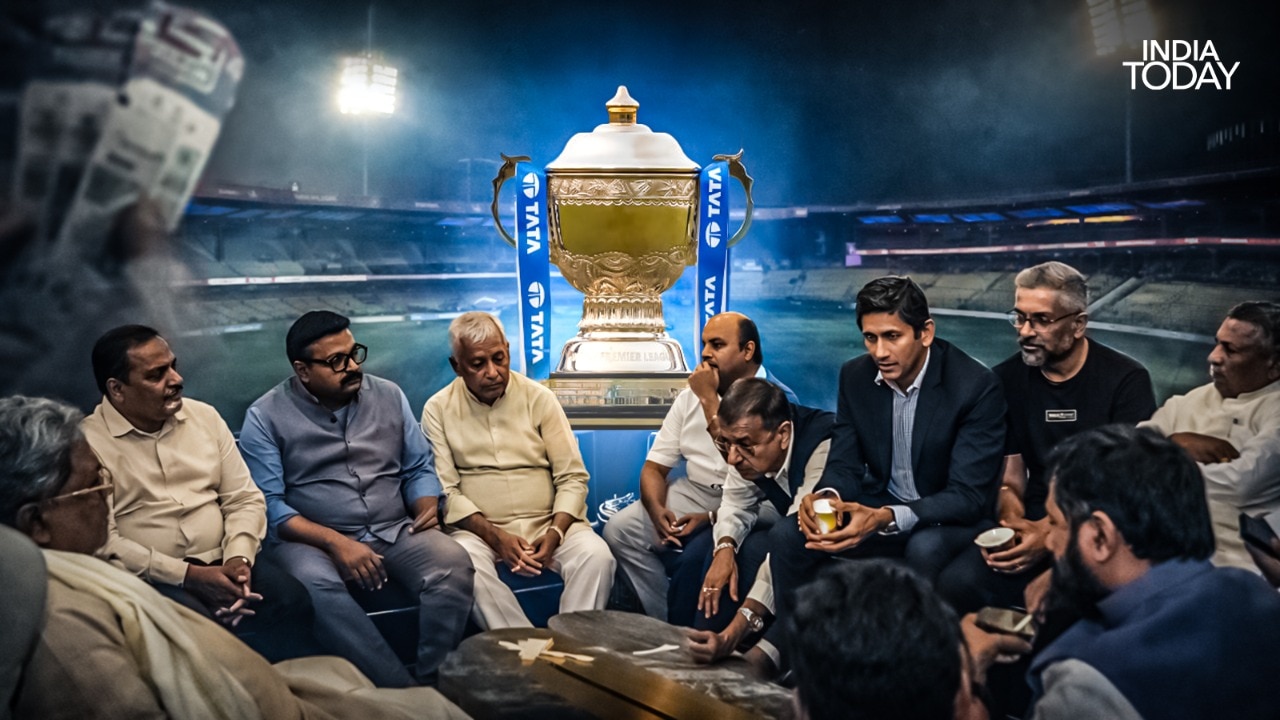
Forget a trademark Virat Kohli cover drive or an Abhishek Sharma maximum; the 19th edition of the Indian Premier League has commenced with a spectacular own goal. We are mere hours from the toss, and the tournament is already flailing in a self-inflicted farce.A year ago, tragedy struck Bengaluru. 11 lives were lost in a stampede during the Royal Challengers Bengaluru victory celebrations. Only days ago, that same franchise shattered valuation records with a landmark $1.78 billion deal, a hulking monument to the league’s global clout and the sport’s financial health. Somewhere between that grief and that commercial high, something deeply unedifying has taken shape.GRIEF MEETS GREEDWhat should have been a sombre exercise in respect has instead become a stage for the sort of political ugliness that routinely scuffs the country’s silver. The BCCI, in a rare moment of restraint, reportedly scrapped the opening ceremony, setting aside the neon and spectacle as a mark of respect. RCB followed suit, pledging to leave eleven seats vacant at every match in a quiet, poignant tribute.The Karnataka MLAs, however, have rather different ideas about seating arrangements.Our esteemed legislators have secured two VIP tickets apiece for the opener, rising to three for subsequent Bengaluru fixtures. An entire stand has been reportedly cordoned off for their exclusive use, sparing them the apparent hardship of sharing oxygen with the common man. One might assume this is a reward for untangling Bengaluru’s gridlock or, perhaps, conjuring a lasting solution to the city’s water crisis.Alas, no. It is simply the result of a cross-party effort by netas who leaned on the Karnataka State Cricket Association and its chief, Venkatesh Prasad, until the tickets materialised.“We are VIPs. We cannot stand in queues,” said Congress MLA Vijayanand Kashappanavar.The prospect of sitting in the general gallery with the very people who elected them appears, for some, a step too far.“This is not acceptable,” he added, speaking for a political class that seems increasingly inconvenienced by the idea of paying for its own entertainment.It is, one assumes, a birthright.SEATS AND POWERIn response to this touching display of non-partisan unity, Speaker UT Khader directed the state government to ensure that every MLA receives four VIP tickets at the Chinnaswamy. Small mercies, then, that they appear to have settled for fewer.When I first encountered Mr Kashappanavar’s remarks, I allowed myself the faint hope that party leadership might offer a swift rebuke. Instead, twenty-four hours later, the red carpet was rolled out and a private enclosure established.Such is the familiar disconnect of Indian politics; or perhaps such is the folly of expecting restraint from a class that treats public service as a members-only lounge.“They are taking all facilities from the government—security and everything else—but they are not respecting the MLAs,” he continued, without a trace of irony.One wonders which civics textbook he read. Most would suggest that elected representatives are, in fact, public servants.Let us not be overly sentimental. Karnataka’s legislators are hardly pioneers in the art of the freebie, nor is the KSCA the first body to find itself gently persuaded during IPL season. But rarely has the entitlement been quite this unvarnished.It was, in its own way, a rare moment of unity. Kashappanavar noted that the demand was echoed by Leader of the Opposition R. Ashoka. A bipartisan scramble for the best seats in the house.Uff. Thankfully, not all joined the queue. State BJP President B. Y. Vijayendra distanced himself, noting: “We legislators are not bigger or different from the common man. We should not be asking for special privileges.”Forget the highlights reel. The image that lingers is of Venkatesh Prasad, one of India’s finest fast bowlers, standing with folded hands before the Chief Minister – a posture, many felt, suggested deference. An “official invitation” that looked suspiciously like compliance. The message was clear: in the hierarchy of modern Indian cricket, a legendary outswinger is no match for a mildly displeased MLA.A photograph that spoke volumes, none of them flattering.THE LEVERAGE OF THE VIP?The timing of this legislative tantrum is as curious as it is shameless. Only last year, Bengaluru was stripped of hosting rights following a fatal stampede, a tragedy that saw one of cricket’s grand cathedrals miss out on major tournaments.The irony is difficult to ignore. The Justice John Michael D’Cunha Commission, appointed by the Karnataka government itself, labelled the M. Chinnaswamy Stadium unsafe for mass gatherings and recommended relocating matches. To regain its place in the IPL calendar, the KSCA has spent months navigating bureaucratic hoops: upgrading infrastructure, redesigning entry points, and installing an extensive CCTV network. On Saturday, when the defending champions host SunRisers Hyderabad, the stadium will be crawling with police personnel—public servants whose job is to ensure that last June is not repeated.Against that backdrop, the current demands raise an uncomfortable question. Do legislators view these safety clearances as public safeguards, or as leverage for seat 4A in the VIP stand? Is due process a matter of governance, or simply a bargaining chip with better upholstery?The COMMONER’S CHAOSWhile netas negotiate their sanctuary, the ordinary fan is left to navigate a digital Hunger Games. In a 40,000-capacity stadium, a sizeable chunk of seats is already consumed by corporates, sponsors, and assorted stakeholders. What remains disappears within seconds, only to reappear on resale platforms at eye-watering mark-ups.In Bengaluru, Mumbai, and Chennai, the holy trinity of ticket demand, the scramble borders on absurd. During the recent T20 World Cup semi-final, tickets priced at Rs 900 were reportedly resold for as much as Rs 15,000. One fan told IndiaToday.in he spent nearly Rs 1 lakh on four tickets, only to be left in both financial and emotional distress when his companions backed out. It is a marketplace fuelled by passion and sustained by desperation.The indignity does not stop at the turnstiles. While an entire stand is reserved for politicians who treat the match as a social backdrop somewhere between a networking event and a photo opportunity, accredited journalists find themselves navigating an approval process that feels opaque.Access arrives late, if at all, making it difficult to plan coverage of a tournament that depends heavily on media visibility. In one instance, a reporter’s access was threatened to be revoked simply for attending a post-match press conference on a day they had not been granted a match pass. Showing up to work, it seems, can be a punishable offence.The irony is as immovable as the peak-hour gridlock on Silk Board junction. A seasoned journalist is stripped of credentials for showing up to work, while a legislator, who likely has not queued for anything since dial-up internet, walks away with a pair of VIP passes and a dedicated lounge.It seems like a declaration of ownership. And it’s clear that the game no longer belongs to those who play it, or those who pay for it.IPL 2026 | IPL Schedule | IPL Points Table | IPL Videos | Cricket News | Live Score- Ends


Most Popular



No. 15 Men's Tennis Sweeps Georgia in Third Top
4 hours ago

No. 20 Men's Tennis Prevails 4
2 hours ago