Iran war deals major blow to Gulf’s global sports dominance
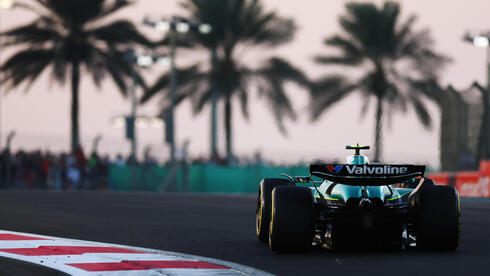
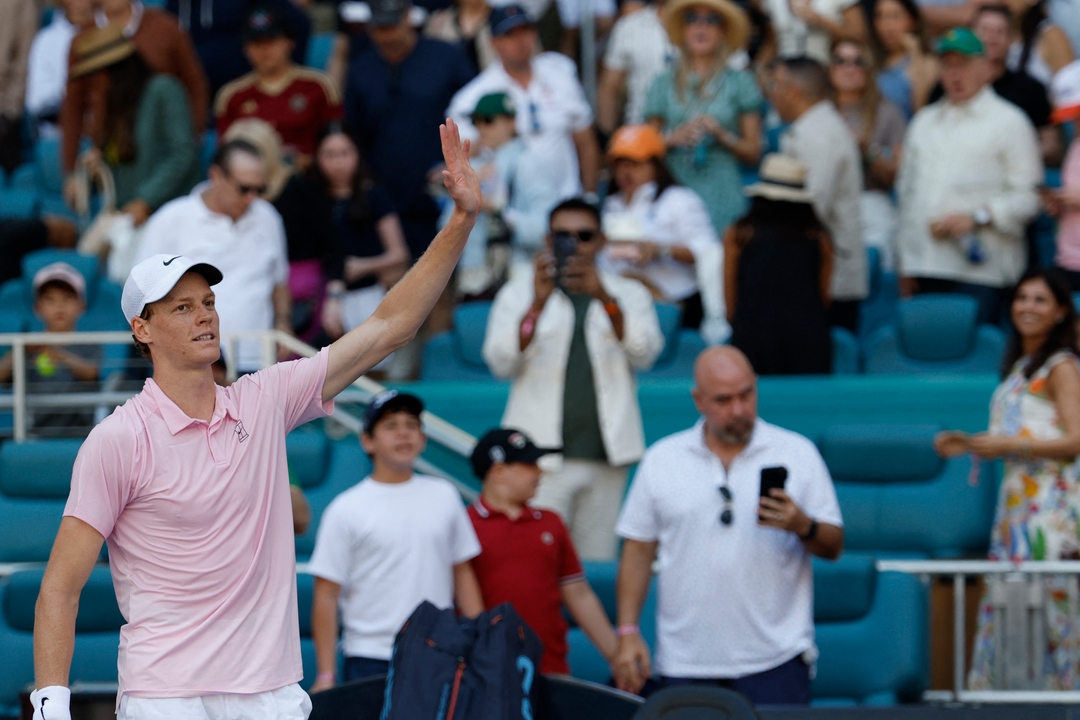
Gulf states that have spent the past decade transforming themselves into global sports hubs are facing growing disruption as regional fighting forces major event cancellations and raises new security concerns.Qatar’s hosting of the 2022 World Cup marked a high point in the region’s push for global influence through sports, capped by the emir presenting Lionel Messi with the trophy draped in a traditional bisht. Saudi Arabia is set to host the 2034 World Cup after investing hundreds of billions of dollars in sports projects, while the United Arab Emirates has positioned Dubai as a premier destination for international competitions and athletes.Now, missile launches and interceptions over parts of the Gulf have unsettled that vision.The planned “Finalissima” match between European champion Spain and Copa America winner Argentina, scheduled for March 27 at Lusail Stadium in Qatar, was canceled after organizers explored but ultimately rejected alternative venues in Europe. The match had been expected to draw 80,000 fans to the stadium where Messi lifted the World Cup trophy.In motor racing, two Formula 1 races — in Bahrain and Saudi Arabia — were called off and will not be replaced, shortening the season from 24 to 22 races. Bahrain traditionally hosts the season opener, while the night race in Jeddah has become one of the most high-profile stops on the calendar.A tire test at Bahrain’s Sakhir circuit was scrapped following reports of missile activity in the area. Soon after, reports emerged of interceptions of dozens of missiles and drones over the country, prompting Formula 1 management to conclude that holding the events was not feasible.“It was a difficult decision, but unfortunately the right one at this stage,” Formula 1 CEO Stefano Domenicali said.Other sports have also been affected. Following the Dubai tennis tournament, several top players faced travel disruptions. LIV Golf, the Saudi-funded circuit launched in recent years as part of the kingdom’s broader sports strategy, saw eight players stranded in Dubai days before an event in Hong Kong. Spanish golfer Jon Rahm arranged private transport for the group, which traveled by road to Oman before flying onward in time for the tournament.The disruptions come as Saudi Arabia advances its Vision 2030 program, which aims to diversify the economy and expand global influence through sports and entertainment projects, including the futuristic NEOM city development. The kingdom has invested heavily in boxing events, Formula 1 races, golf tournaments and high-profile soccer signings such as Cristiano Ronaldo.Analysts say the broader regional conflict is complicating those ambitions. Military expenditures and infrastructure concerns have raised questions about long-term budgets for large-scale sports investments.For more than a decade, Gulf nations have relied on oil and gas wealth to attract marquee events, athletes and teams, using sports as a tool of soft power. Recent events underscore the vulnerability of that strategy to regional instability.

Most Popular

Pepperdine University Athletics
13 hours ago
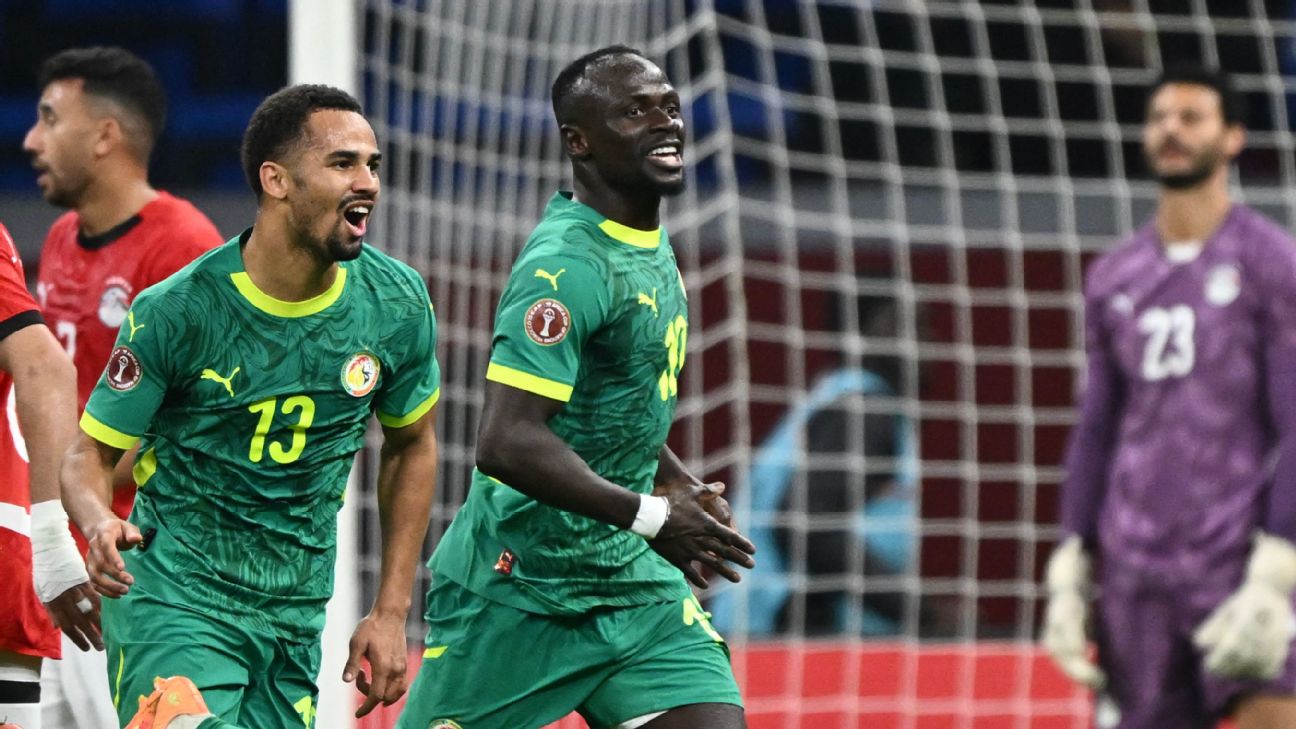
Senegal's World Cup jersey won't have two stars
13 hours ago