
Brendon McCullum drawn to players who like to drink and vape; Ben Stokes blamed coach for Ashes loss in review: Report

Several former players, such as Michael Vaughan and Ian Botham, criticised England's preparation, which culminated in a 4-1 loss to Australia. To make matters worse, it was also reported that there was a breakdown in trust between McCullum and skipper Ben Stokes, with the two not seeing eye to eye on many issues. After the loss against Australia, it also came to light that white-ball captain Harry Brook was involved in an altercation with a nightclub bouncer during the previous series against New Zealand.According to a report in Telegraph Sport, McCullum is drawn to players who enjoy a beer, vape and a round of golf. And this became a severe talking point during the Ashes, where nothing went right for England. The atmosphere in the dressing room was also far from ideal, as some players felt a lack of seriousness cost them the chance to win an Ashes series against a vulnerable Australian side.According to Telegraph Sport, during the Sri Lanka series and the T20 World Cup, players were told in no uncertain terms that they would be disciplined if found drunk in public. The players were also told not to post anything on social media regarding drinking alcohol. They were also told to inform the management of their location after 9 PM.How did McCullum save his job?After the Ashes debacle, Stokes submitted a report explaining why England lost the Ashes, and according to it, the English captain blamed McCullum and the management. It is also believed that the two pointed fingers at each other during the review, which the ECB launched on the same day when the Sydney Test concluded.Given the current culture in the English dressing room, one would assumenothing would save McCullum from being sacked. However, the ECB have chosen to give him another chance.McCullum accepted his errors during the Ashes, and the talks between the two have since reached an agreement. The ECB also refrained from sacking McCullum due to the costs involved. The former New Zealand captain is contracted with England for another 18 months, and a sacking would prove costly for the ECB.

Most Popular

Pepperdine University Athletics
19 hours ago
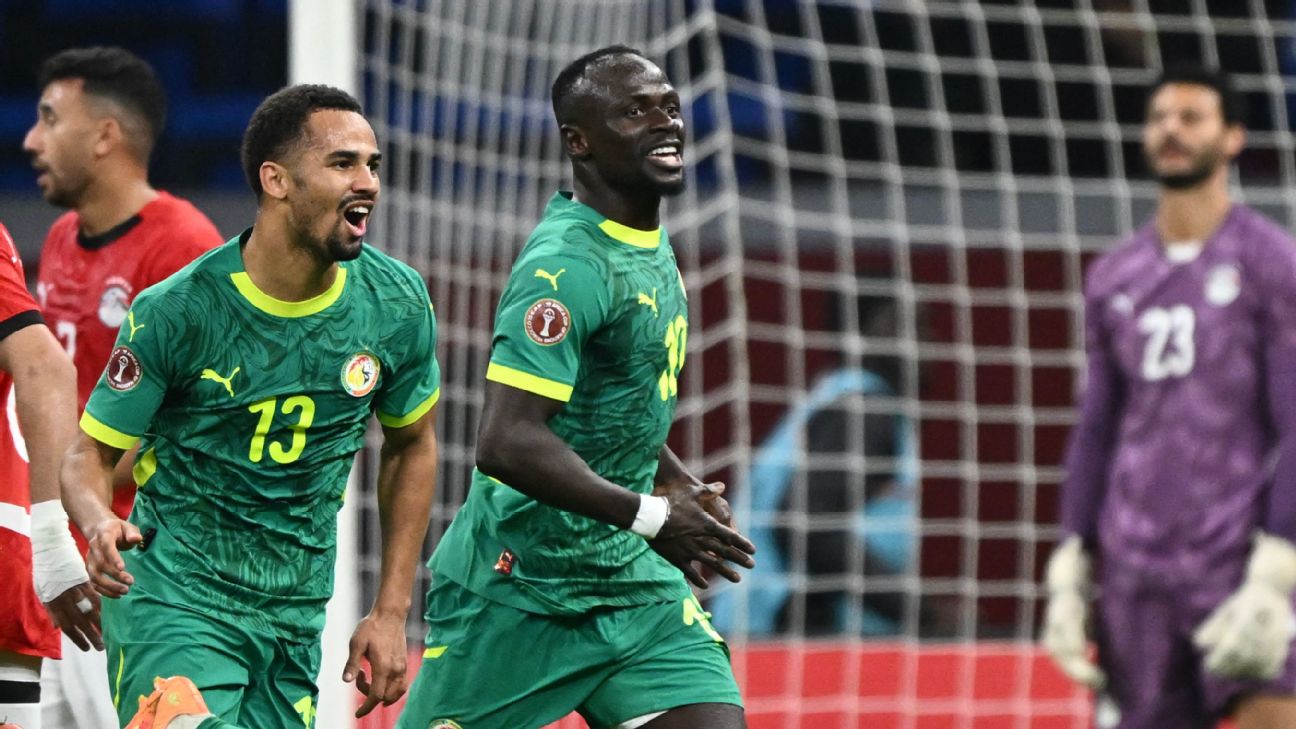
Senegal's World Cup jersey won't have two stars
18 hours ago