FIFA open the door for the next generation of football’s female coaches
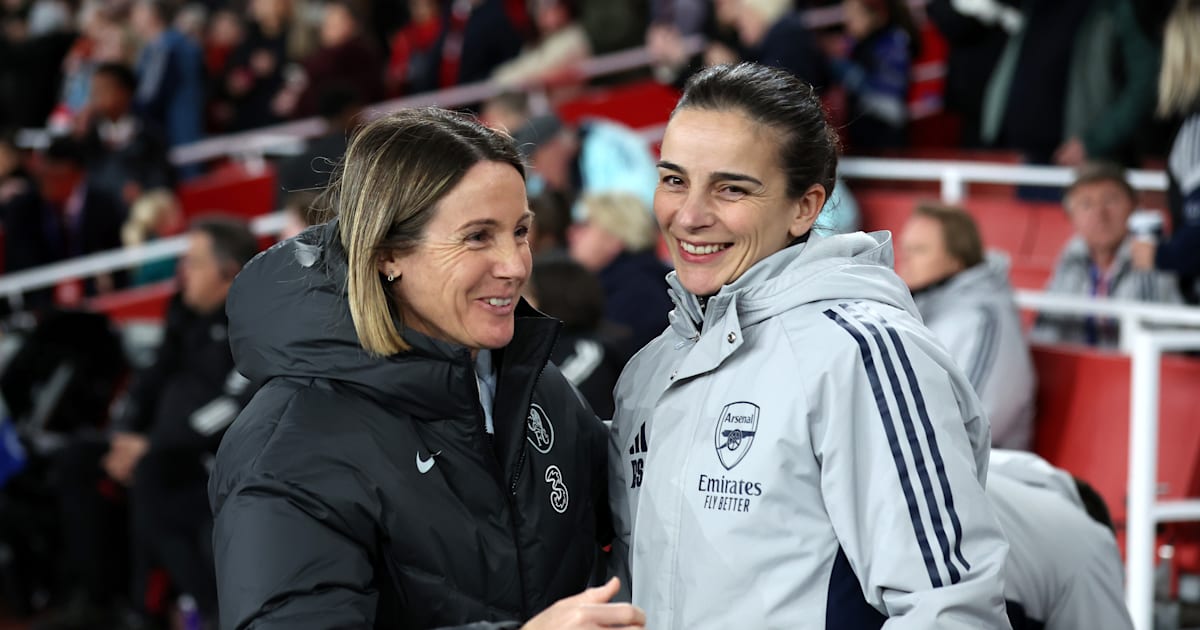
Women’s football is one of the fastest-growing sports in the world, with participation numbers on the rise.While popularity has soared over recent years, particularly on the back of record-breaking major tournaments, a newly introduced rule will change the landscape of the game for generations to come.Following a recent council meeting, worldwide governing body FIFA announced new regulations that will look to dramatically increase the number of female coaches in the international game.New rules will require every team in the organisation’s tournaments to have at least one female head coach or assistant coach, along with another female member of staff on the bench.“There are simply not enough women in coaching today,” said FIFA’s Chief Football Officer, Jill Ellis. “We must do more to accelerate change by creating clearer pathways, expanding opportunities, and increasing the visibility for women on our sidelines.“The new FIFA regulations, combined with targeted development programmes, mark an investment in the current and future generation of female coaches.”These changes come into effect with the U17 World Cup, U20 World Cup and Champions Cup competitions this year, with the aim of a significant upturn in female coaches ahead of the next instalment of the Women’s World Cup in 2027.In the previous edition, three years ago, just 12 of the 32 head coaches were female, including Sarina Wiegman, who guided England to the final, where they were beaten by Spain.The initiative is part of FIFA’s broader strategy to ensure the growth of the women’s game is matched by the number of women represented in technical and leadership roles.· Japan captures third AFC Women’s Asian Cup crownEmma Hayes calls on football to bridge the gapU.S. women's national team coach Emma Hayes has been a strong advocate for an increase in women's coaches.Before her exit from Chelsea following a successful 12-year tenure, the 49-year-old called on the English game to support women in coaching, highlighting the financial barriers that come with working towards a licence.“We’ve got a lot of work to do to close that gap,” she said at the time. "We have to recognise that the opportunities are few and far between. We need to think of creative ways to educate women from a younger age.“We have to think about educating players much earlier in their careers, maybe even during international breaks where there is more downtime.“Most importantly, [give them] support so that they can go through the coach education. We have to commit more money to coaches, not just in the women’s game, but women coaches in general.”The new regulation comes at a critical point for women in football, when clubs and organisations look to build on the game’s rapid rise.The rise of female coaches in footballHayes leads a cohort of established names within the coaching sphere, including three-time Euros-winning manager Wiegman, Pia Sundhage and Laura Harvey.But who are the newest crop of coaches blazing a trail?Renée Slegers, the head coach of Arsenal, no doubt fits that criteria. After initially joining the club as an assistant coach under Jonas Eidevall, she took the reins as the interim boss following his dismissal in October 2024. She was rewarded with a permanent contract just months later after a run of impressive form.The Dutch tactician, 37, was the mastermind behind their 2024/25 UEFA Champions League success, as they outclassed FC Barcelona in the final after beating Bayern Munich and OL Lyonnes on the way to their first European title in 18 years.Slegers was a beneficiary of the UEFA Coach Mentor programme, which has produced three title-winning managers or assistant coaches, including Spain’s Montse Tomé and Camille Abily at Chelsea.Sonia Bompastor, the current manager of Chelsea, worked her way up from coaching Academy football at Lyon. The 45-year-old enjoyed a three-year stint in charge of OL Lyonnes, before taking the reins at the London club in 2024.After a 24-year playing career, Desiree Ellis began managing the South Africa national team in 2016, before guiding them to their first Women’s World Cup appearance in 2019, when they exited in the group stage. Four years later, they went one better by reaching the round of 16.In 2022, Ellis was behind the team that stormed to their first major title when they were crowned champions at the Women’s Africa Cup of Nations.While there are far fewer female head coaches in the men's game, several pioneers have assumed positions that reflect their experience and qualifications in football.Sabrina Wittmann is currently in charge of the men's team at third-division club FC Ingolstadt 04, while Renate Blindheim is at the helm of Sotra in Norway's second division.The journey to equal opportunity and balance may not be over, but FIFA’s new initiative is a welcome leap forward.


Most Popular



Hallgrimsson devastated by Irish loss
12 hours ago