The impact of the Middle East crisis on major sporting events and athletes
.jpg?trim=0,1,0,0&width=1200&height=800&crop=1200:800)
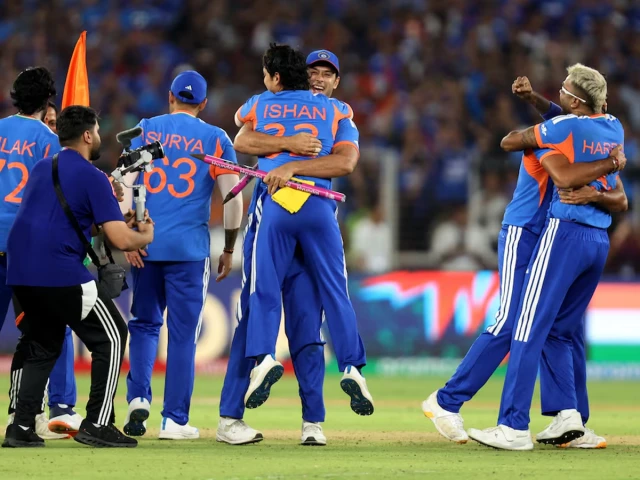
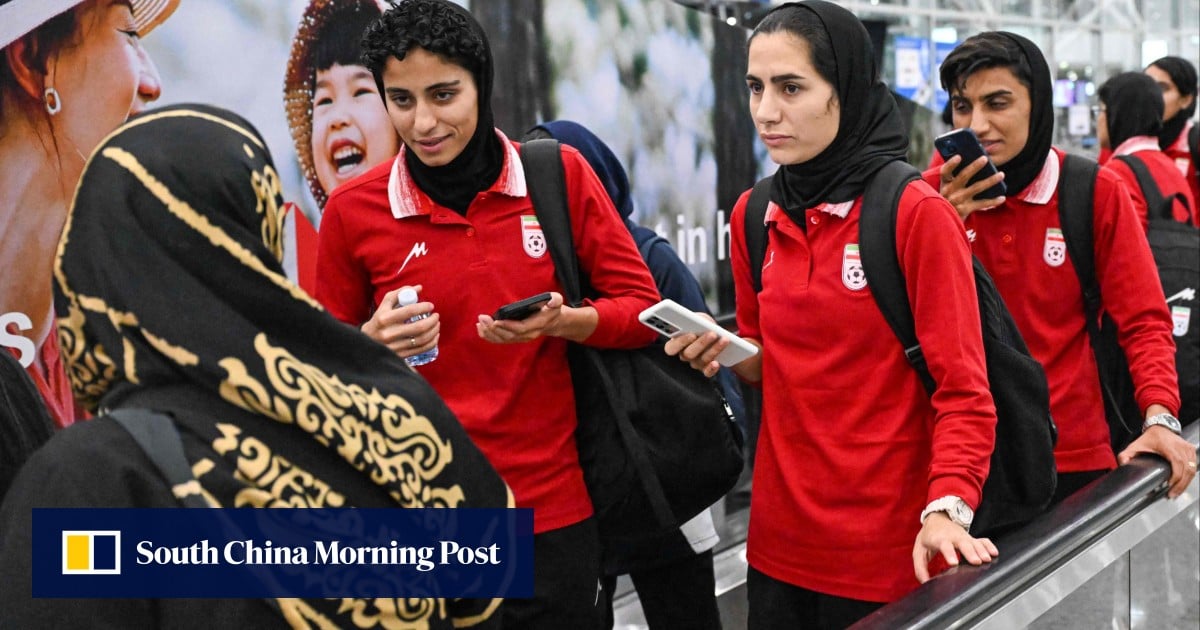
Global sporting events are facing widespread disruption, postponements, and cancellations as the escalating conflict between the US, Israel and Iran triggers travel chaos and heightened security concerns across the Middle East.Thousands of flights have been grounded in some of the world's busiest transit hubs, leaving athletes stranded and competitions in limbo.The International Paralympic Committee (IPC) confirmed last week that it was actively seeking solutions for athletes struggling to reach the Milano Cortina Winter Paralympic Games ahead of the opening ceremony."The closure of airspace in the Middle East is impacting the arrival of some stakeholders... we are working diligently with Milano Cortina 2026 to find solutions for those affected," the IPC stated last Tuesday.Similarly, Russian tennis stars Daniil Medvedev and Andrey Rublev, who competed in the Dubai Tennis Championships, were among who faced difficulties travelling to California for the Indian Wells tennis tournament.Two-time Olympic medallist PV Sindhu also withdrew from badminton's All England Open after being stranded at Dubai airport for days before returning to India.Security alerts led to the cancellation of the ATP Challenger event in Fujairah last week, with the ATP Tour arranging a charter flight "fully funded by the ATP to assist with departures from the region at no cost to players".The US men's hockey team withdrew from a World Cup 2026 qualifier in Ismailia, Egypt, following a State Department advisory urging US citizens to leave conflict zones. The International Hockey Federation expressed its "full support" for the team's departure.Further impacting the sporting calendar, the World Endurance Championship postponed its season-opening race in Qatar, while the Asian Champions League Elite and Asian Champions League Two have seen multiple matches featuring Middle Eastern clubs deferred.The limited-overs cricket series between Afghanistan and Sri Lanka, scheduled for March in the UAE, has also been postponed.In a significant development, Australia granted humanitarian visas to five Iranian women footballers who sought asylum, fearing persecution upon their return home for refusing to sing the national anthem at an Asian Cup match.Australian police assisted two more members of the delegation in claiming asylum, though one later decided to return to Iran. Concerns for the players' safety intensified after Iranian state television labelled the team "wartime traitors".Home Affairs Minister Tony Burke confirmed the remaining players have been moved to a safe location after the individual who reversed her decision contacted the Iranian embassy, inadvertently revealing their location.Domestically, all sporting events in Iran, including the top-flight Persian Gulf Pro League, have been cancelled until further notice, a measure mirrored by the Bahraini FA.Meanwhile, Iraq's football coach, Graham Arnold, has called for the team's inter-confederation World Cup playoff in Mexico later this month to be postponed due to the travel chaos.He expressed concerns that assembling a team solely from players based outside Iraq would severely hinder their chances of qualifying for the World Cup for the first time since 1986.In contrast, Qatar's top-flight football league is set to resume this week after a nationwide suspension of sporting activity imposed amid regional security concerns.The uncertainty extends to major international events, with Mohammed Ben Sulayem, head of global motorsport governing body FIA, stating that "safety and wellbeing will guide our decisions" regarding next month's Formula One races in Bahrain and Saudi Arabia.The widespread impact underscores the profound and varied consequences of the regional tensions on the global sports landscape.



Most Popular