‘I can get hit in the head and be fine’: The mindset of a reinvented cricketer
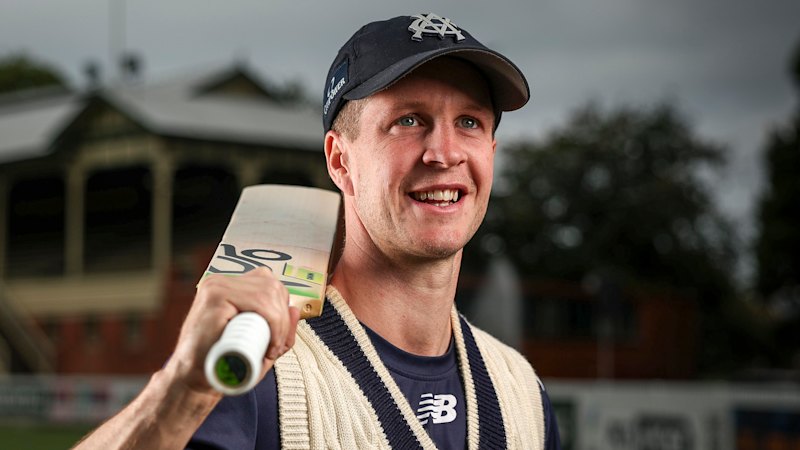
March 25, 2026 — 4:18pmYou have reached your maximum number of saved items.Remove items from your saved list to add more.Save this article for laterAdd articles to your saved list and come back to them anytime.As Victoria collapsed to 5-11 on the first Thursday of February against Queensland, Chris “Buck” Rogers and his coaching staff devised a radical method to avoid being squeezed to death by Michael Neser.Instead of urging his batters to dig in, as he would have done, Rogers sent his wicketkeeper to the top of the order to bludgeon, rather than blunt, the bowling.A quickfire 19 off 11 balls in an ill-fated run chase did not exactly mark success but the Buckball-inspired reinvention of Sam Harper has delivered a career-best campaign, 10 years after he received his baggy blue.“It’s not just reckless slogging or chaos, there’s actually a bit of method to it,” Harper said.AdvertisementAt a time when batting has become so difficult against the new ball in this country that teams have sent tailenders in to open – as seen on Boxing Day – keeper-batsman Harper is bucking the trend.His first crack at opening came before the Big Bash League break when the return of Matt Short to Shield ranks left a vacancy at the top. Facing the pink ball at the Gabba – traditionally the graveyard for many Victorian batters – he smashed 85 off 115 balls on the first day.His past six innings have yielded twin centuries in a game – the second gloveman to do so in a Shield match – and a 91 for 378 runs at a princely 74, double the season averages of most openers.They have come in quick time, too. His strike rate of 81.33 is the best of the top 50 run-scorers this season.Advertisement“I’m not your traditionalist Kane Williamson, [a] beautiful late-block defender,” Harper said. “I’m probably a striker and an attacker. That’s probably when I’ve batted my best over the last 10 years.”The idea behind Harper’s aggression is to throw the pressure back on the bowler, rather than being dictated to. It’s a high-risk strategy that better suits a wicketkeeper, who has the luxury of a second suit, than a specialist batter, who faces greater accountability over their wicket.“Initially, it takes courage, the first five or 10 balls to go out and do it, but it’s something I really gear myself up [for] and prepare and train to do that,” Harper said.“It’s probably then managing your emotions through when you do get the fielders back, how you then go about that second phase when you feel like you maybe are on top of the opposition.“There’s not much better when you have deep square-leg, often deep point, deep third man in a red-ball game, and you can just hit him into the gaps and run.”AdvertisementThis is easier said than done. Harper, 29, is at an age when selectors may want to find the next long-term wicketkeeper who could press for national honours. Twelve months ago, Harper was dropped for the final round of the season after a run of outs. Peter Handscomb took his place.But the ramifications for his career have not deterred Harper from his highwire act.“I think I probably sleep better at night when I put my head on the pillow, knowing that I’ve gone out and batted like the way I want to bat,” Harper said.“So that’s probably what I’m most pleased about ... that I’ve actually just gone out and played to my strengths consistently all summer. The results have spoken for themselves by doing that.”AdvertisementThey have also taken him into uncharted waters. After a red-hot BBL campaign, where he made the team of the tournament, Harper deserves to be in the frame for higher honours in the white-ball arena. The day after the Shield final, he flies out to Pakistan for that country’s domestic T20 competition. It will be the first time he has played senior level cricket overseas.Harper has overcome more issues than most to get to this moment. He has battled several harrowing concussions – one of which required him to use a walking frame to get back to his feet. His approach to the issue is, like his batting, unorthodox.“It actually sounds funny, thankfully – I’ve been hit in the head a number of times,” Harper said.“I think I got hit in the head last week, three times in three days in the nets. And for me, that’s a really positive thing when I can get hit from someone like Riley Meredith bowling 140ks last week, and it just has no effect on me.Advertisement“So, I think that’s good from a cricket sense that I know that I can get hit in the head and be fine, and then good from a life sense that hopefully, as bad as those concussions were, they’re not having too many effects on my everyday life.”The BBL was a game changer for Harper, previously prone to promising starts but seldom converting them to match-winning innings.Before each BBL game this season, Harper analysed conditions at the venue and noted in his cricket journal how they best suited his strengths. He’d revisit these markings the next day as part of his self-critique.“I’d put like 15 or 20 boxes into a cricket journal I have – I’m a pen and paper man, maybe a little bit old school,” Harper explained.Advertisement“I’d reflect and either tick or cross each box, whether I tried to hit that ball where it deserved to be hit, was I playing what was right in front of me? And that’s all I ticked and crossed. It was a very simple reflection.”This season, there have been a lot more ticks than crosses.You have reached your maximum number of saved items.Remove items from your saved list to add more.More:Australian cricketSheffield ShieldCricket AustraliaTest cricketAndrew Wu writes on cricket and AFL for The AgeConnect via X or email.




Most Popular